
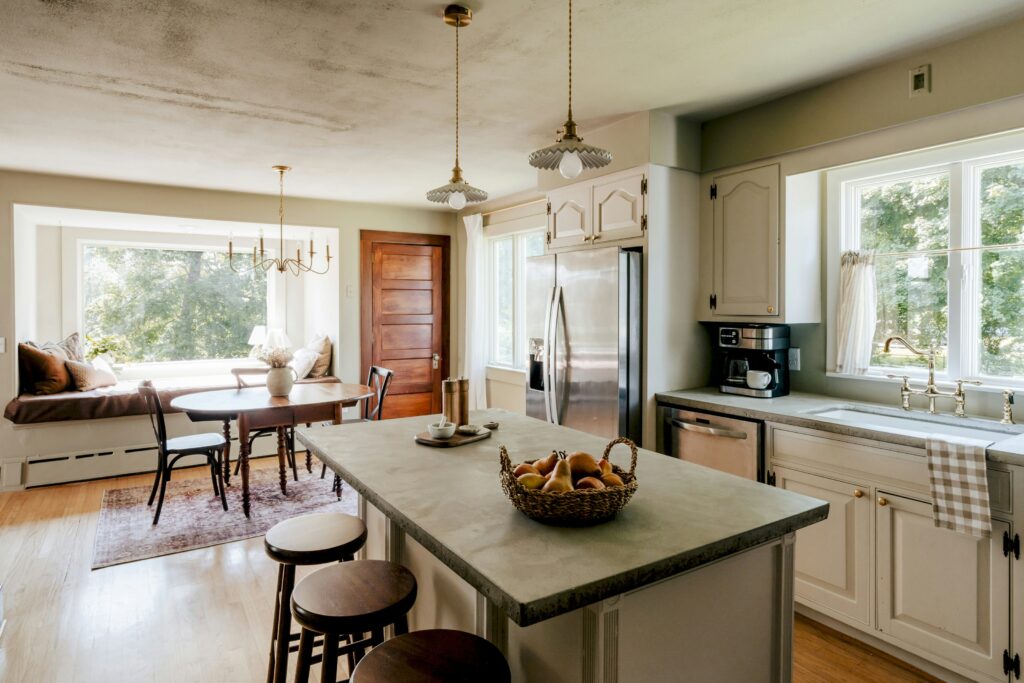
You know the room. It faces west or south. By mid-afternoon, it is unbearable. The AC runs constantly and the electric bill still spikes. Certain rooms become too hot to use. Sun glare kills the TV picture. Video calls look washed out. You squint through what should be a comfortable afternoon at home.
Window replacement is expensive. Blackout curtains block your view. Neither one fully solves the problem.
Your home needs sunglasses. Solar control window film is exactly that.
How Solar Control Film Works
Solar control film uses advanced ceramic or metallic particles embedded in thin polyester film. It selectively filters the solar spectrum. Infrared radiation, which carries heat, gets blocked before it enters your home. Visible light still comes through. Your view stays clear. The room stays cool. Think of it as a lens that reduces intensity without creating darkness.
The Benefits Worth Knowing
Heat Reduction
West and south-facing rooms stay 10 to 15 degrees cooler during peak sun hours. Hot spots near windows disappear. Rooms that were previously unusable become comfortable again. AC runtime drops 30 to 50 percent. Temperatures throughout the home become more consistent.
Energy Savings
Most homeowners cut cooling costs 20 to 30 percent after installation. That translates to $300 to $800 in annual savings for a typical home. Reduced AC runtime also extends equipment life. Some utility providers offer rebates for qualifying installations. The film pays for itself within two to three years.
Glare Elimination
Screen glare on TVs and monitors becomes a thing of the past. Home office productivity improves noticeably. Reading near windows becomes comfortable. Video call lighting evens out. Eye strain during long work-from-home days decreases significantly.
UV Protection
Solar control film blocks more than 99 percent of UV rays. Furniture, flooring, and artwork stop fading prematurely. Interior investments are protected for the long term. There is also a health benefit. Indoor UV exposure carries real skin damage risk over time. Film eliminates that.
Which Rooms Benefit Most
West-facing rooms face the most intense afternoon sun. They are the highest priority for most homeowners. South-facing rooms receive all-day sun exposure and consistent heat gain throughout every season. Home offices need glare reduction more than almost any other space. Living rooms benefit from TV viewing comfort and furniture protection. Bedrooms stay cooler for better sleep. Sunrooms become usable spaces again instead of overheated rooms you avoid.
Film Types and What They Cost
Ceramic film uses no metallic particles. It does not interfere with WiFi or phone signals. It delivers superior heat rejection with the clearest outward view. Installed cost runs $12 to $18 per square foot.
Dual-reflective film has a mirror-like exterior with a neutral interior appearance. It provides maximum heat rejection. There is a slight trade-off in the clarity of the outward view. Installed cost runs $10 to $15 per square foot.
Spectrally selective film blocks infrared and UV rays while allowing visible light to pass. It offers balanced performance across all benefit categories. Installed cost runs $8 to $12 per square foot.
What It Looks Like From Inside and Outside
Modern solar control films do not darken your interior. The view outward stays natural and clear. The exterior appearance is subtle. Many options are nearly invisible from the street. Interior aesthetics are unchanged. Most homeowner associations approve them without issue.
The Cost Comparison That Matters
A typical 2,000-square-foot home needs film on 400 to 600 square feet of windows. Total installed cost ranges from $500 to $1,500, depending on window count and size. Compare that to window replacement at $500 to $1,200 per window. A whole-home window replacement project runs $10,000 to $25,000. Blackout curtains require constant adjustment and eliminate your view entirely. Exterior awnings are expensive and cover limited areas. AC upgrades address the symptom. Film addresses the source.
Film lasts 15 to 20 years with minimal care. Most manufacturers back it with 10 to 15-year warranties. Clean it with standard glass cleaner and a soft cloth. Nothing special required.
Installation and What to Expect
A professional installer measures and applies film to the interior glass surface. Most homes are completed in a single day. There is a 30-day curing period for full optical clarity. Daily life is not disrupted during or after installation.
Is Your Home a Good Candidate?
Hot climates in the Southwest, South, and California benefit the most. Mixed climates with hot summers also see strong results. Even northern homes with west or south exposures benefit from year-round UV protection and summer heat control.
If your home has rooms you avoid in the afternoon, an electric bill that spikes every summer, or glare that interrupts daily life, solar control film is worth a serious look.
Contact us to schedule a home energy assessment and solar control consultation. We will identify the windows driving your heat and comfort problems and recommend the right film for your climate, home, and budget.